10 Practical Tips for Tracking Macros (Without Losing Your Mind)
Why Macro Tracking Matters
Counting calories tells you how much you are eating. Tracking macros tells you what you are eating. The difference matters more than most people realize.
Two meals can have the exact same calorie count but completely different effects on your body. A 500-calorie plate of grilled salmon with vegetables will fuel muscle recovery and keep you full for hours. A 500-calorie slice of cake will spike your blood sugar and leave you hungry again in 45 minutes.
That is why macro tracking, monitoring your protein, carbohydrates, and fat intake, gives you a much clearer picture of your nutrition. Here are 10 tips to do it well without making it feel like a second job.
1. Start With Protein, Then Fill in the Rest
Protein is the macro most people under-eat, and it is the most important one for body composition. Whether your goal is fat loss, muscle gain, or maintenance, hitting your protein target should be your top priority.
A good starting point is 0.7 to 1 gram of protein per pound of body weight. Once your protein is set, distribute the remaining calories between carbs and fat based on your preferences and activity level.
2. Use an AI Calorie Counter to Save Time
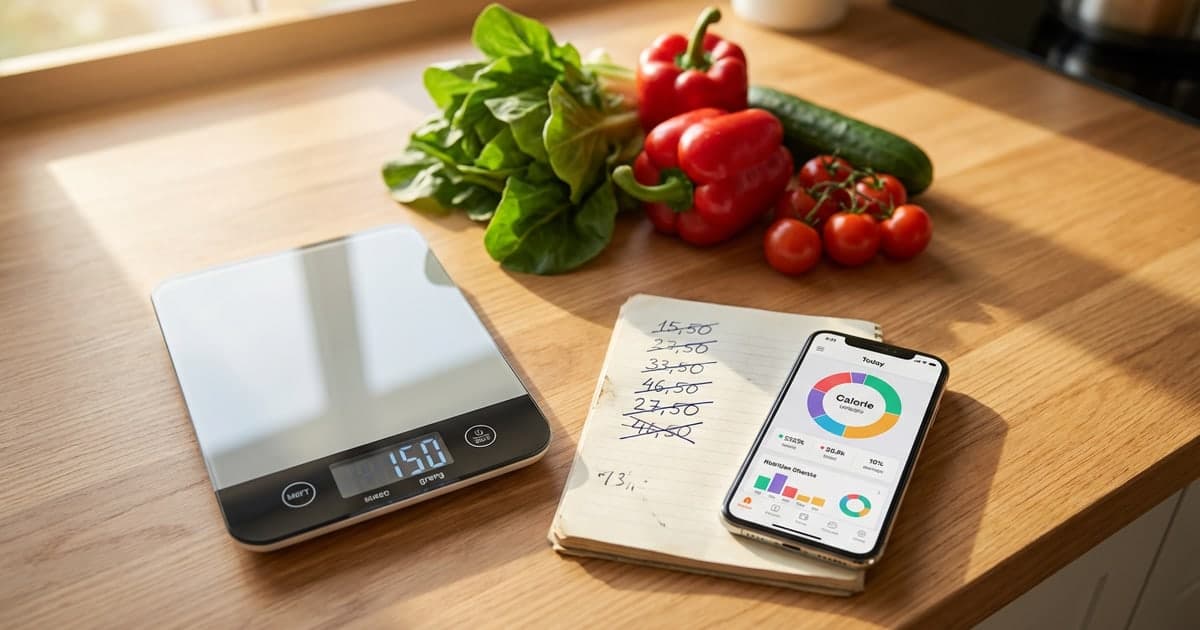
The number one reason people stop tracking macros is that it takes too long. An AI-powered calorie counter like Calzy lets you snap a photo and get your macro breakdown instantly. No searching through databases, no weighing every ingredient.
This alone can cut your daily tracking time from 15 minutes to under 2 minutes.
3. Track Before You Eat, Not After
Logging your meals before you eat them gives you the chance to adjust. If you see that your planned lunch is heavy on carbs but light on protein, you can swap the side dish or add a protein source before committing.
Tracking after the fact is just record-keeping. Tracking before is a decision-making tool.
4. Do Not Aim for Perfection
Hitting your macros within 5-10 grams is close enough. Obsessing over exact numbers creates unnecessary stress and often leads to burnout.
Think of your targets as a range, not a bullseye. If your protein goal is 150g and you hit 143g, that is a win.
5. Build a Rotation of Go-To Meals
The easiest way to hit your macros consistently is to have 5-7 meals you eat regularly that you already know the macros for. You do not need to eat the same thing every day, but having reliable options eliminates the guesswork.
Create a simple list:
- High-protein breakfasts: Greek yogurt with berries, eggs with toast, protein oatmeal
- Balanced lunches: Chicken salad, turkey wraps, grain bowls
- Easy dinners: Salmon with rice, stir-fry with tofu, lean beef with sweet potato
6. Front-Load Your Protein
Most people eat very little protein at breakfast, a moderate amount at lunch, and try to cram it all in at dinner. This is both harder on your digestion and less effective for muscle protein synthesis.
Instead, aim for at least 30g of protein at each meal. This distributes your intake evenly throughout the day, which research suggests is optimal for muscle maintenance and satiety.
7. Learn to Estimate When You Cannot Track
You will not always have your phone handy or be in a situation where you can log a meal. Learning to visually estimate portions is a valuable backup skill:
- A palm-sized portion of meat is roughly 25-30g of protein
- A cupped handful of rice or pasta is about 30-40g of carbs
- A thumb-sized portion of oil or butter is roughly 10-15g of fat
These are not exact, but they keep you in the right ballpark when precision tracking is not possible.
8. Do Not Drink Your Calories (Unless Intentional)
Liquid calories are the most common source of untracked macros. A latte, a glass of juice, or a smoothie can add 200-400 calories and 30-60g of carbs that many people forget to log.
If you drink caloric beverages, make them intentional and track them. Better yet, stick to water, black coffee, or tea for most of your hydration.
9. Prep Ingredients, Not Just Meals
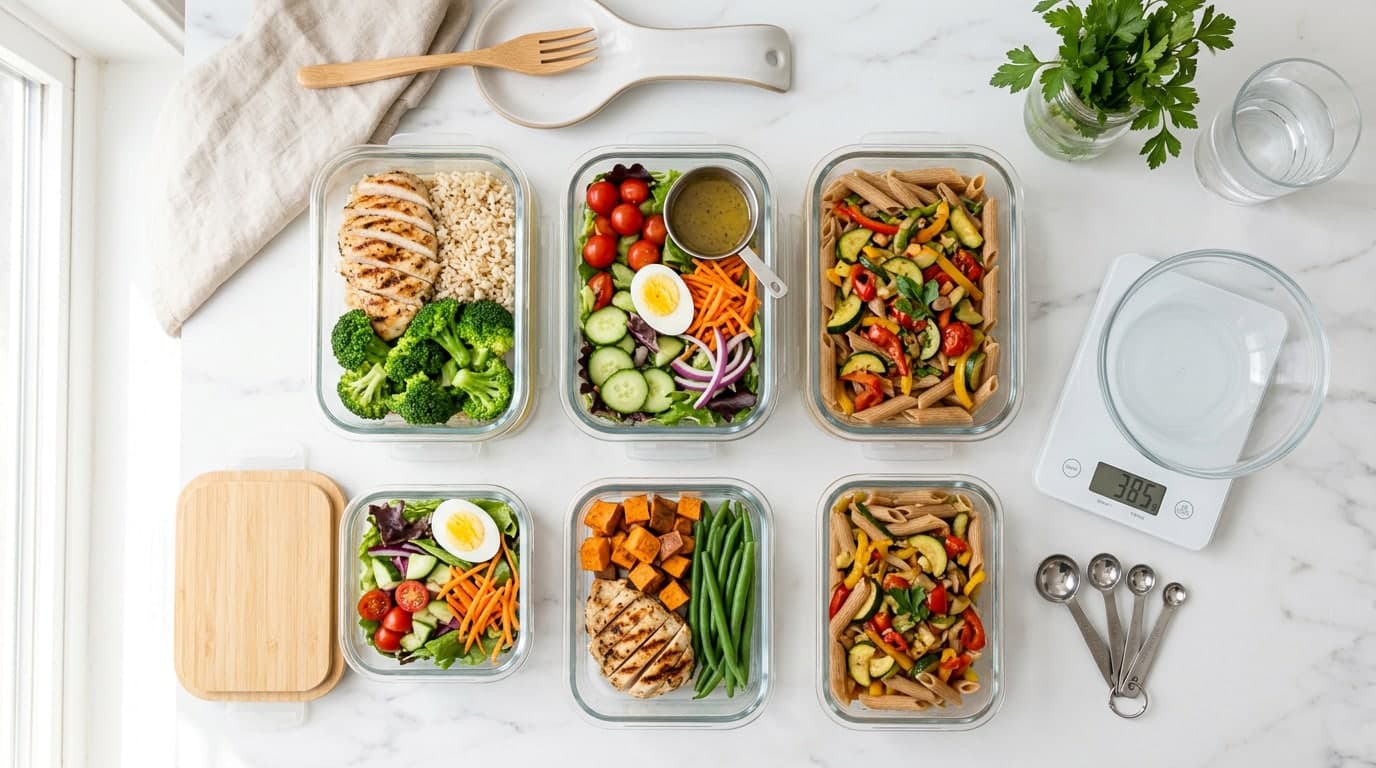
Full meal prep works for some people, but many find it boring to eat the same pre-made meals all week. A better approach for most people is to prep individual ingredients:
- Cook a batch of chicken breast or ground turkey
- Prepare rice or quinoa
- Wash and chop vegetables
- Hard-boil a dozen eggs
This gives you building blocks to assemble different meals quickly while still knowing the macros for each component.
10. Review Your Weekly Averages, Not Daily Numbers
One bad day does not ruin your progress. What matters is your weekly average. If you overshoot your carbs on Tuesday but come in under on Wednesday, you are still on track.
Looking at weekly trends instead of daily totals reduces anxiety and gives you a more accurate picture of how your nutrition is actually going.
The Bottom Line
Macro tracking does not have to be complicated or time-consuming. The combination of a good AI calorie counter, a handful of reliable meals, and a focus on protein will get you 90% of the way there.
The remaining 10% is consistency, and the best way to stay consistent is to keep the process as simple as possible. Track smart, not hard.
Ready to track smarter?
Snap a photo, get your calories, macros, and Health Score instantly. See what other trackers miss.
Download Calzy — It's Free