5 Foods That Look Healthy But Are Sabotaging Your Diet
Walk through any grocery store and you'll see hundreds of foods labeled "natural," "healthy," "low-fat," and "high-protein." But marketing isn't nutrition. Here are 5 foods that look healthy on the package but are actively working against your goals — and the better swap for each.
1. Flavored Greek Yogurt
Why it looks healthy: "Probiotic." "High-protein." "Greek." "Real fruit."
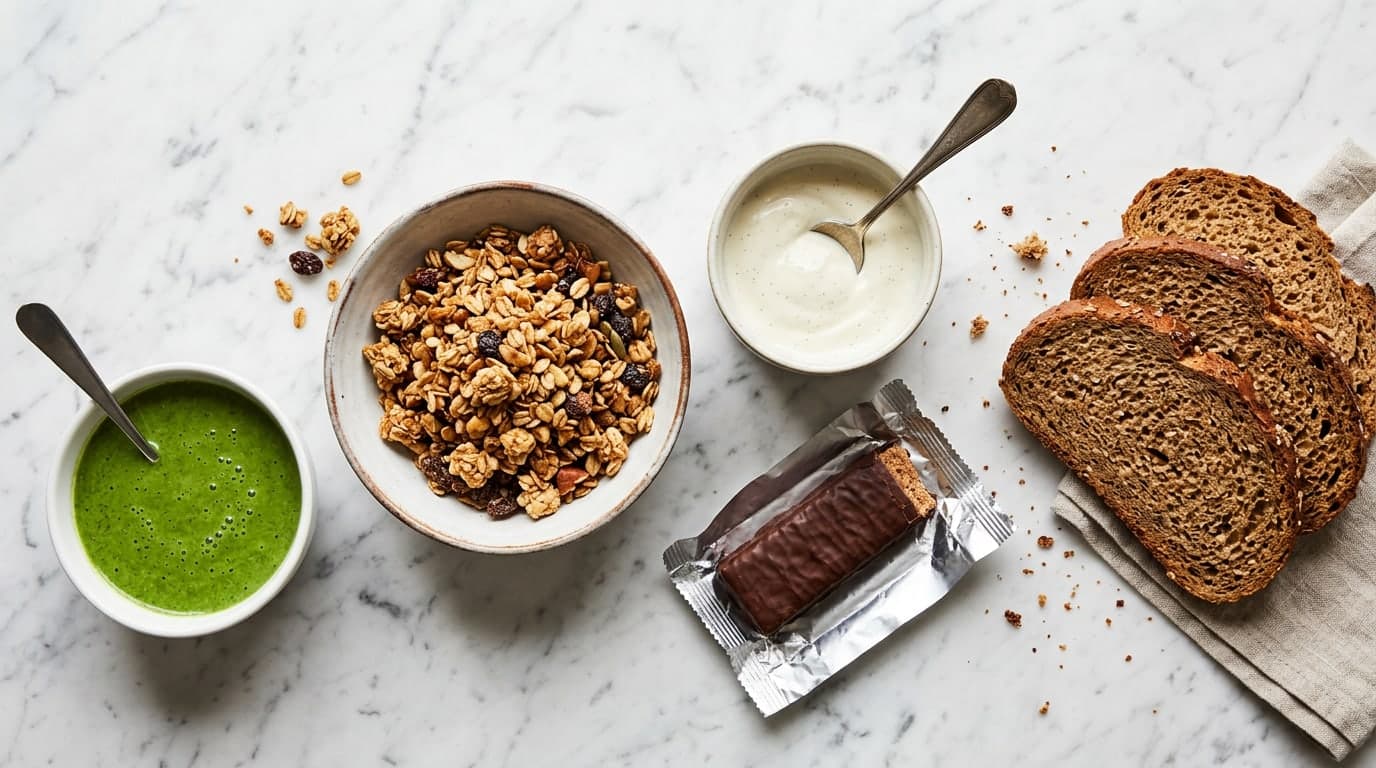
The truth: A typical 6oz cup of flavored Greek yogurt contains 18-22g of added sugar — more than a Snickers bar (20g). The "real fruit" is usually fruit-flavored syrup. The protein is real, but you're paying for it with a sugar dose that spikes insulin and stores fat.
The swap: Plain Greek yogurt + fresh berries + a teaspoon of honey. You get 17g of protein, real fruit fiber, and only 6g of natural sugar. Same satisfaction, half the damage.
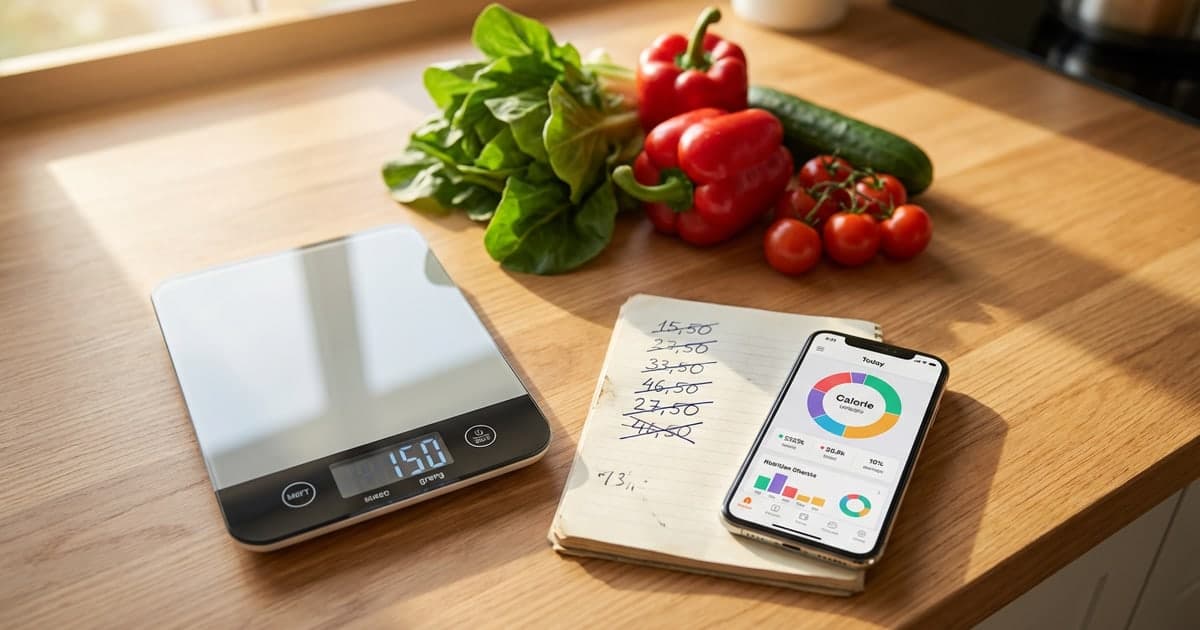
Why this matters: Modern food labels hide sugar behind 60+ different names — fruit juice concentrate, evaporated cane juice, dextrose, maltodextrin. AI-powered nutrition trackers flag these automatically when you scan a barcode.
2. Granola
Why it looks healthy: Oats. Nuts. Seeds. "All-natural." "Whole grain."
The truth: Most store-bought granola has more sugar per serving than chocolate ice cream. A typical 1/2 cup serving has 12-18g of added sugar plus 250+ calories — and almost nobody eats just 1/2 cup. The "healthy" oats are coated in sugar, oil, and syrup before baking.
The swap: Plain rolled oats with cinnamon, fresh fruit, and a small handful of nuts. Or make your own granola with maple syrup (and use 1/3 the amount the recipe calls for).
3. Smoothies and "Healthy" Juices
Why it looks healthy: "Made with real fruit." "Vitamin C." "Antioxidants."
The truth: A standard smoothie or juice contains 35-60g of sugar — equivalent to drinking 8 teaspoons of pure sugar. Even when made from "real fruit," blending or juicing strips out the fiber that normally slows sugar absorption. Result: a sugar bomb that spikes insulin like soda.
The swap: Eat whole fruit instead. The fiber slows sugar release, keeps you full, and uses way more chewing — which signals satiety to your brain. If you must drink: water with lemon, herbal tea, or unsweetened plant milk.
4. "Healthy" Protein Bars
Why they look healthy: "20g protein." "Low-sugar." "Keto." "All-natural ingredients."
The truth: Most protein bars are ultra-processed candy disguised as health food. They contain 8-12 ingredients you can't pronounce, hidden sugars (sugar alcohols cause bloating and digestive issues), and processed proteins that don't satiate the same way whole foods do. NOVA classification: usually Group 4 (ultra-processed).
The swap: A boiled egg + an apple (15g protein, 100% whole food, $1) or Greek yogurt with nuts (20g protein, real food, fills you up for hours).
5. Whole Wheat Bread and "Multigrain" Anything
Why it looks healthy: "Whole grain." "Multigrain." "Made with seeds."
The truth: Most "whole wheat" bread starts with refined flour and adds caramel coloring to look brown. The actual whole grain content is often 5-10%. Same blood sugar spike as white bread, plus added preservatives, dough conditioners, and seed oils.
The swap: Look for breads where the first ingredient is "whole grain wheat flour" (not "wheat flour" — that's white) and the ingredient list is under 6 items. Sourdough made with traditional fermentation is even better — the fermentation breaks down some of the gluten and lowers the glycemic impact.
How to Spot Fake Health Foods Instantly
Three rules:
-
Read the ingredient list, not the front of the package. Marketing lives on the front. Truth lives on the back. If you can't pronounce 5 of the ingredients, put it back.
-
Check the sugar. Anything over 5g of added sugar per serving is candy in disguise. The American Heart Association recommends max 25g/day for women, 36g/day for men — total. One "healthy" yogurt eats 3/4 of that.
-
Beware of "low-fat" and "sugar-free" labels. When food companies remove fat, they add sugar. When they remove sugar, they add artificial sweeteners and additives. The original full-fat, full-sugar version is usually less harmful than the "healthy" alternative.
The Bottom Line
Real health food doesn't need a marketing campaign. It doesn't have a "healthy" label. It's an apple. It's an egg. It's a piece of grilled fish. It's a handful of nuts.
The most powerful nutrition tool isn't a diet plan — it's the ability to see through marketing claims and read what's really in your food. Modern apps like Calzy do this automatically: scan a barcode and instantly see the food's Health Score, processing level, and a list of any concerning additives. The truth becomes impossible to hide.
When you can see what you're actually eating, the choices get easier — and the results show up.
Ready to track smarter?
Snap a photo, get your calories, macros, and Health Score instantly. See what other trackers miss.
Download Calzy — It's Free