7 Hidden Food Additives You're Probably Eating Every Day
What Is Actually in Your Food?
You check the calorie count. Maybe you glance at the protein. But when was the last time you actually read the full ingredient list on a food label?
Most people never do, and food manufacturers count on that. The average American consumes over 5 pounds of food additives per year, many of which have been banned or restricted in other countries. These substances hide behind technical names that mean nothing to most shoppers.
Here are seven of the most common and concerning additives that are probably sitting in your kitchen right now.
1. Sodium Nitrite (and Sodium Nitrate)
What It Is
A preservative and color fixative used to keep processed meats looking pink and fresh. Without it, your bacon and hot dogs would turn an unappetizing gray within hours.
Where It Hides
Bacon, ham, hot dogs, deli meats, sausages, pepperoni, beef jerky, and some smoked fish products.
Why It Is Concerning
When sodium nitrite is exposed to high heat or combines with amino acids in your stomach, it can form nitrosamines, which are classified as probable carcinogens by the World Health Organization. The International Agency for Research on Cancer (IARC) classified processed meat as a Group 1 carcinogen in 2015, and nitrites are a key reason why.
What to do: Look for "uncured" or "no nitrites added" versions of processed meats. Be aware that some brands substitute celery powder, which naturally contains nitrates and may produce similar compounds.
2. Titanium Dioxide (E171)
What It Is
A whitening agent used to make foods appear brighter and more visually appealing. It is the same compound used in paint, sunscreen, and paper.
Where It Hides
Coffee creamers, candy, frosting, chewing gum, white sauces, powdered sugar donuts, and some supplements and medications.
Why It Is Concerning
The European Food Safety Authority (EFSA) concluded in 2021 that titanium dioxide can no longer be considered safe as a food additive, citing concerns about genotoxicity — the potential to damage DNA. The European Union banned it from food products in 2022. The United States has not followed suit.
What to do: Check ingredient lists for "titanium dioxide" or "E171." Choose products that achieve their color from natural ingredients.
3. Artificial Food Colors (Red 40, Yellow 5, Yellow 6, Blue 1)
What It Is
Synthetic dyes derived from petroleum that give foods vibrant, consistent colors. They replaced natural colorings because they are cheaper and more shelf-stable.
Where It Hides
Candy, cereal, sports drinks, fruit snacks, flavored yogurt, cake mixes, macaroni and cheese, salad dressings, and surprisingly many pickles and bread products.
Why It Is Concerning
Multiple studies have linked artificial food colors to behavioral issues in children, including hyperactivity and attention problems. A 2007 study published in The Lancet found significant behavioral changes in children consuming artificial colors. The EU requires warning labels on products containing these dyes. The FDA has taken a more cautious position but acknowledged the research.
Beyond behavioral concerns, some artificial colors have shown links to allergic reactions, and Red 3 was partially banned by the FDA for use in cosmetics due to cancer concerns in animal studies while remaining legal in food.
What to do: Choose products colored with natural alternatives like beet juice, turmeric, or spirulina. If the ingredient list mentions a color followed by a number, it is synthetic.
4. Sodium Benzoate
What It Is
A preservative that prevents mold and bacteria growth in acidic foods. On its own, it is generally considered safe in small amounts.
Where It Hides
Soft drinks, fruit juices, salad dressings, condiments, pickles, jams, and some medications.
Why It Is Concerning
The problem arises when sodium benzoate combines with ascorbic acid (vitamin C), which happens frequently since many of the same products contain both. This combination can form benzene, a known carcinogen. The FDA found benzene levels above the safety limit in several beverages during testing.
Sodium benzoate has also been linked to increased hyperactivity in children when combined with artificial colors, and some research suggests it may increase inflammation and oxidative stress.
What to do: Be especially cautious with beverages that contain both sodium benzoate and citric acid or vitamin C. Check ingredient lists on sodas and juice drinks.
5. BHA (Butylated Hydroxyanisole)
What It Is
A synthetic antioxidant used to prevent fats and oils from going rancid. It extends shelf life significantly, which is why manufacturers love it.
Where It Hides
Cereal, chips, chewing gum, butter, lard, preserved meats, beer, baked goods, instant potatoes, and even some food packaging materials (it can migrate into food from the packaging).
Why It Is Concerning
The U.S. Department of Health and Human Services National Toxicology Program lists BHA as "reasonably anticipated to be a human carcinogen" based on animal studies showing tumor development. California added BHA to its Proposition 65 list of chemicals known to cause cancer. Despite this, the FDA still classifies it as "generally recognized as safe" (GRAS).
What to do: Look for BHA on ingredient lists, especially in fatty or oily snack foods. Many brands now use tocopherols (vitamin E) as a natural alternative.
6. High Fructose Corn Syrup (HFCS)
What It Is
A liquid sweetener made from corn starch that has been enzymatically processed to convert some of its glucose into fructose. It became ubiquitous in American food production because it is cheaper than sugar and easier to mix into beverages.
Where It Hides
Soft drinks, bread, yogurt, salad dressings, ketchup, cereals, granola bars, canned soups, and dozens of products you would never expect to contain added sugar.
Why It Is Concerning
While the "is HFCS worse than sugar" debate continues, the real concern is how much of it we consume. Its low cost and liquid form made it easy for manufacturers to add sweetness to virtually everything. Average HFCS consumption in the US peaked at about 37 pounds per person per year.
Research has linked excessive fructose consumption to non-alcoholic fatty liver disease, increased visceral fat, insulin resistance, elevated triglycerides, and increased uric acid levels. A Princeton study found that rats given HFCS gained significantly more weight than those given table sugar, even at equal caloric intake.
What to do: Read labels on products you would not normally think of as sweet. Bread, crackers, and savory sauces frequently contain HFCS. Choose products sweetened with whole fruit or small amounts of regular sugar when possible.
7. Carrageenan
What It Is
A thickener and stabilizer extracted from red seaweed. It gives products a smooth, creamy texture without adding fat or calories.
Where It Hides
Plant-based milks (almond, oat, coconut), ice cream, yogurt, deli meats, infant formula, protein shakes, and cottage cheese.
Why It Is Concerning
Carrageenan has been shown to cause gastrointestinal inflammation in animal studies. Degraded carrageenan (poligeenan) is a recognized carcinogen, and there is debate about whether food-grade carrageenan can degrade into poligeenan during digestion or processing.
Many people report digestive issues like bloating, cramping, and irritable bowel symptoms that resolve when they eliminate carrageenan from their diet. The Cornucopia Institute petitioned the FDA to ban it from food, and it was removed from the USDA organic approved list before being reinstated.
What to do: If you experience unexplained digestive issues, try eliminating carrageenan for two weeks. Many plant-based milk brands now advertise "carrageenan-free" formulations. Look for alternatives that use gellan gum or locust bean gum instead.
How to Protect Yourself
Reading every ingredient list at the grocery store sounds exhausting, and honestly, it is. But a few simple habits can reduce your exposure significantly:
- Stick to the perimeter of the grocery store where whole, unpackaged foods tend to live
- Learn to scan ingredient lists quickly — the longer the list, the more likely it contains additives you want to avoid
- Choose products with five or fewer recognizable ingredients as a general rule
- Buy single-ingredient foods when possible — chicken is chicken, broccoli is broccoli, rice is rice
- Use technology to your advantage — Calzy automatically flags over 100 concerning additives when you scan or photograph food, so you do not need to memorize every chemical name on this list
The Label Literacy Problem
Food manufacturers are not required to explain what their additives do or why they are there. A name like "sodium benzoate" tells the average shopper nothing. This information gap is by design. The more confusing labels are, the less likely consumers are to question what they are eating.
The Bigger Picture
No single additive in a single serving is likely to cause immediate harm. The concern is cumulative exposure over years and decades. When you eat processed foods for breakfast, lunch, dinner, and snacks, the daily additive load adds up quickly.
You do not need to become obsessive or fearful about food. But you deserve to know what you are putting in your body. Even small shifts toward whole, minimally processed foods can dramatically reduce your exposure to these substances.
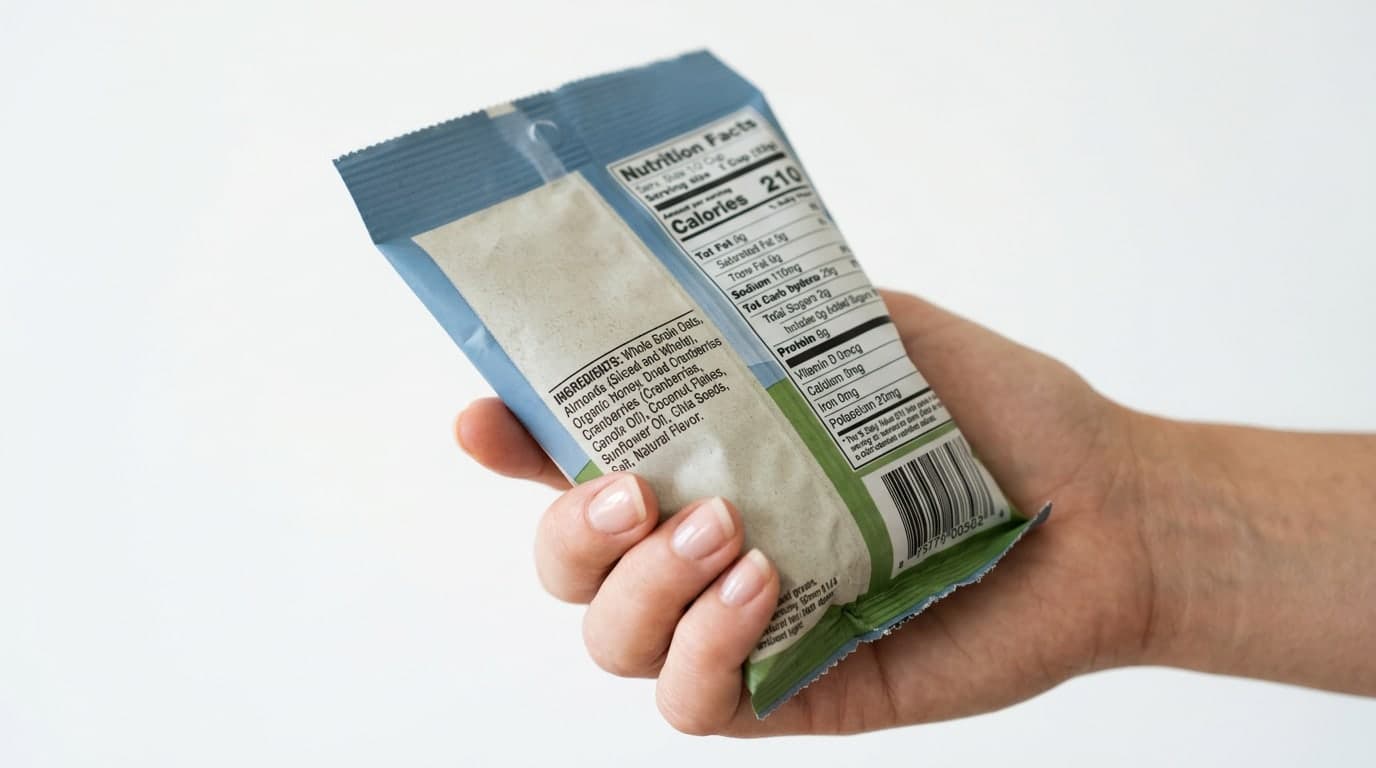
The next time you pick up a packaged food, flip it over and read the ingredients. You might be surprised by what you find.
Ready to track smarter?
Snap a photo, get your calories, macros, and Health Score instantly. See what other trackers miss.
Download Calzy — It's Free